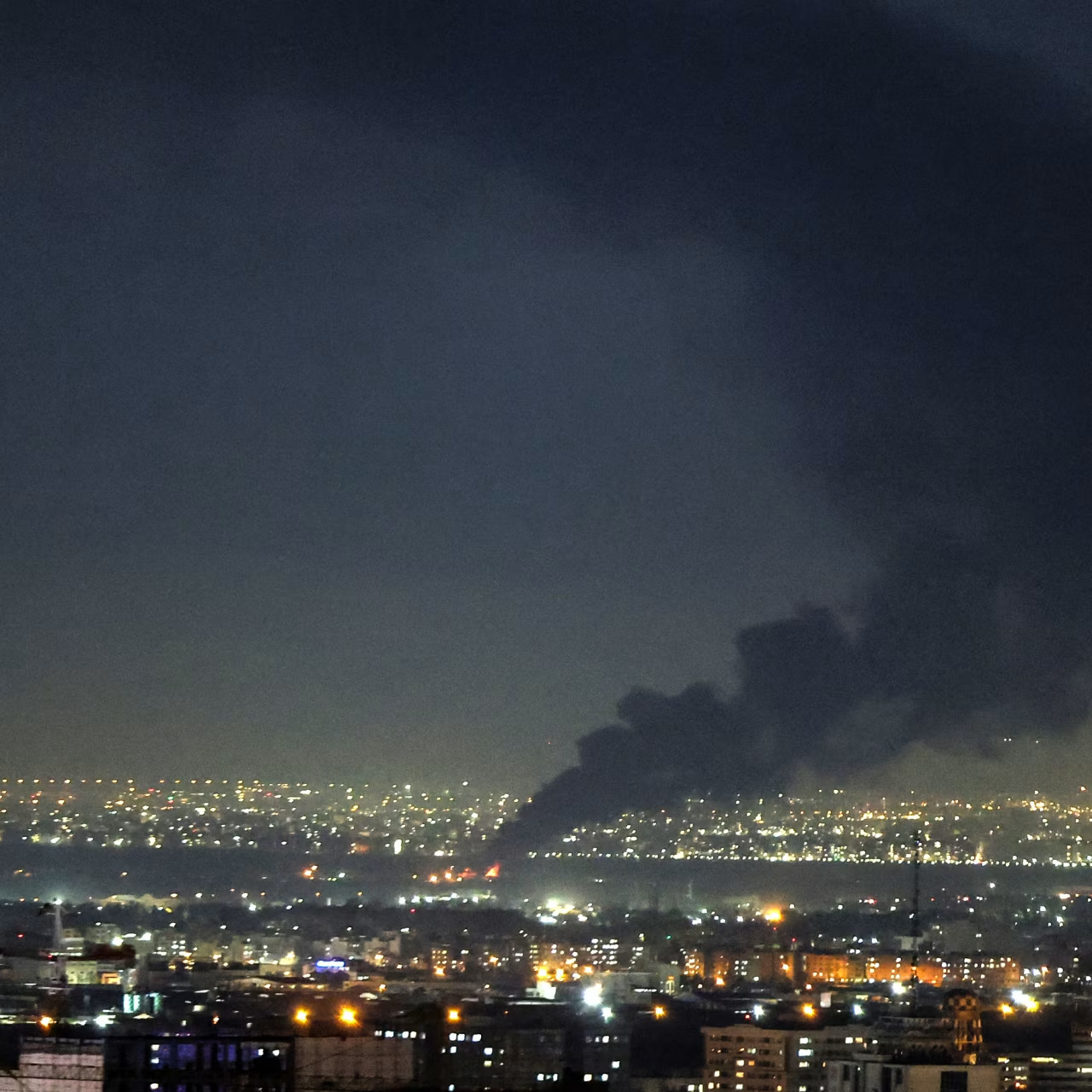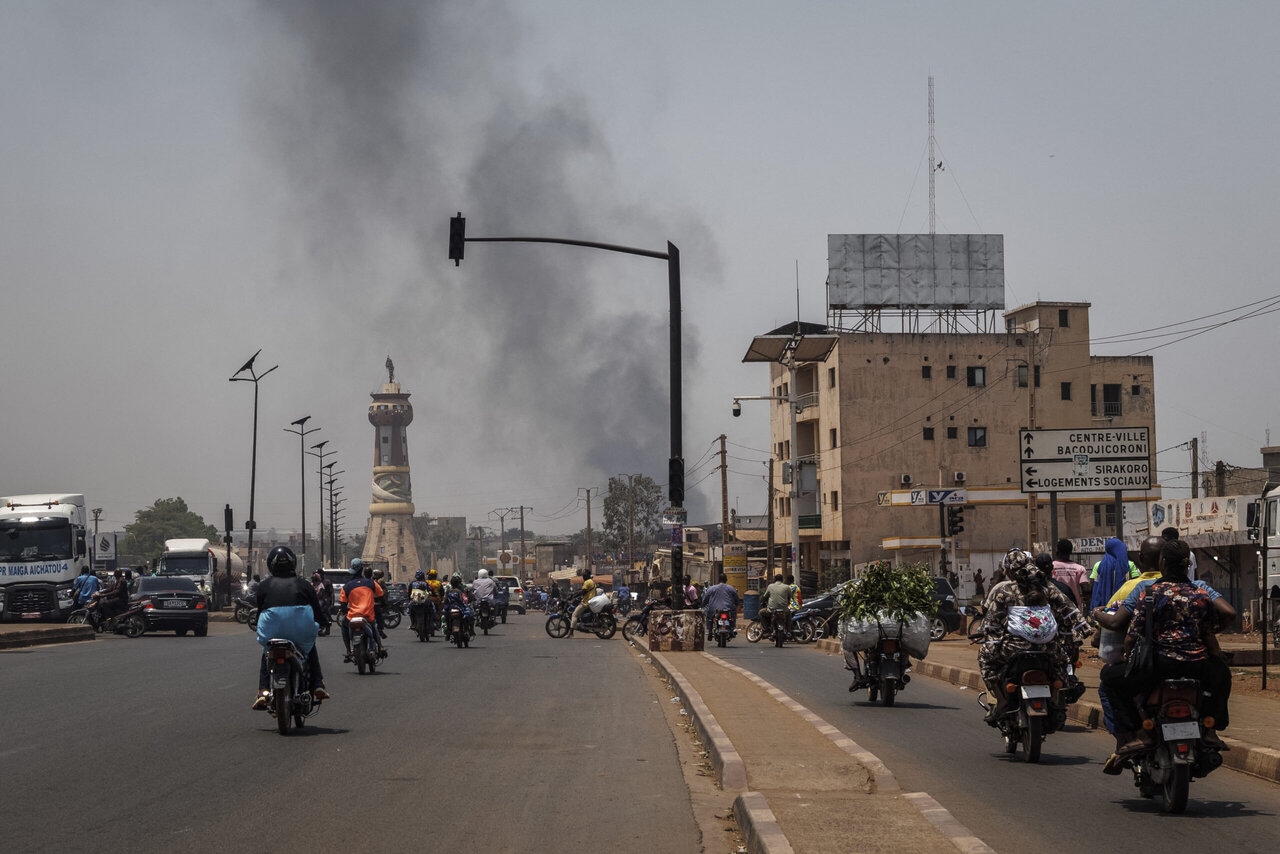
As of October 29, 2025, Sudan’s war has crossed a dark and decisive threshold with the fall of El Fasher, the historic capital of Darfur and the last stronghold of the Sudanese Armed Forces (SAF) in the region. After an 18-month siege marked by starvation, relentless bombardment, and terror, the paramilitary Rapid Support Forces (RSF) launched a final offensive, seizing control on Sunday, October 26. By Monday, the SAF and its allied forces had confirmed their withdrawal. This moment marks far more than another shift in Sudan’s devastating conflict which has already displaced over 12 million people and produced the world’s worst hunger crisis. The fall of El Fasher has unleashed mass atrocities, confirmed the RSF’s complete military dominance across Darfur, and effectively sealed Sudan’s partition into two fractured, warring proto-states.
The Humanitarian Catastrophe
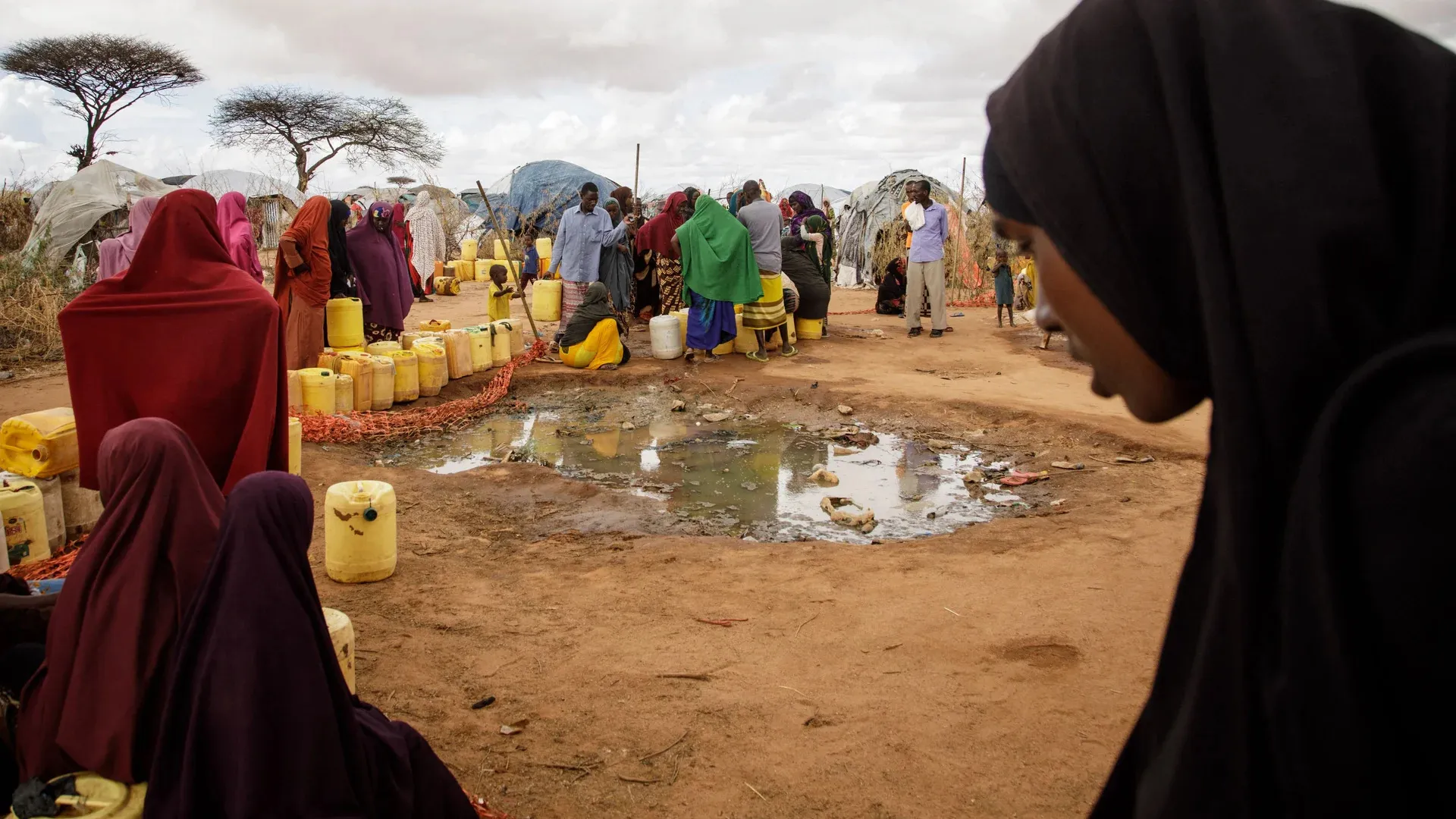
For months, human rights groups and the United Nations had warned that an RSF take-over OF El Fasher could ignite mass, ethnically motivated atrocities of the genocidal proportions witnessed in El Geneina, West Darfur, in 2023. Those fears have now become a horrific reality. As RSF fighters launched “house-to-house clearance operations” this week, reports of mass killings began to surface. The UN High Commissioner for Human Rights has received “multiple, alarming reports” of summary executions of civilians, including those attempting to flee, with strong indications of ethnic targeting. Disturbingly, RSF fighters have even circulated videos online, boasting as they taunt and execute terrified civilians at close range. This new wave of brutality comes against a population already devastated by siege and starvation. Once home to more than 1.5 million people including hundreds of thousands of internally displaced persons who had fled earlier conflicts El Fasher has, for nearly fifteen months, endured IPC-5 famine conditions, the highest level of catastrophic hunger. With the city’s fall, the last remnants of humanitarian aid infrastructure have collapsed entirely, unleashing the “massive, chaotic wave of displacement” that observers had long feared.
The End of Darfur as We Knew It
The fall of El Fasher is a catastrophic military defeat for the Sudanese Armed Forces (SAF), as the city was strategically the “central nervous system of Darfur”. Politically, it was not just the historic capital holding immense symbolic weight, but also the headquarters for the Darfur Regional Government and the joint security force established under the 2020 Juba Peace Agreement (JPA). Symbolically, it represented the last bastion for the JPA signatory groups, like Minni Minnawi’s SLM and Jibril Ibrahim’s JEM, who had allied with the SAF; their loss of the city effectively neutralizes them as a significant ground-holding force in Darfur. Militarily, its fall is devastating because El Fasher was the last SAF stronghold in the entire region and their final operational command center from which they could project power in the west. With this single victory, the RSF has now done what was predicted, effectively consolidating military control over all five Darfur states. The western third of Sudan now belongs to the RSF.
A Nation Cleaved in Two
While the fall of El Fasher is a decisive victory for the RSF in the west, it does not mean they have won the war; instead, it has clarified the brutal new map of a partitioned Sudan. Original speculation suggested an RSF victory here would allow them to re-deploy fighters to other fronts like Khartoum or Gezira state, but the broader war has evolved dramatically. As the RSF was tightening its 18-month siege on El Fasher, the SAF was launching its own major, successful counter-offensive in central Sudan. This is a stunning reversal of SAF’s 2023 losses. SAF has been gaining the upper hand” in the country’s core, having recaptured the capital, Khartoum, including the Presidential Palace and airport, by March 2025. The SAF also retook Wad Madani, a city whose 2023 fall was seen as a major RSF victory, and regained control of Gezira and Sennar states.
The fall of El Fasher is thus not the prelude to a total RSF takeover but rather a final, bloody act of consolidation. The war has effectively cleaved the nation into two distinct territories: an RSF-controlled western “statelet” based in Darfur, and a SAF-controlled north and east centered on the Nile valley and the de facto capital of Port Sudan, which now includes the recaptured national capital. This outcome means the RSF will be emboldened, but it also means the SAF will dig in to protect its core territory, transforming the protracted conflict into a war between two entrenched, de facto states.
The Geopolitics of Partition: Regional Interests and Global Inaction
This new, partitioned reality is being actively fueled by external powers. The RSF-controlled western statelet, rich in resources like gold, has become a magnet for regional actors, which provide military and financial support to RSF’s campaign. Juxtaposed against this determined regional backing is the international response, which has been a catastrophic failure of prevention. Despite months of “repeated warnings” from the UN, US, and countless aid groups about the impending slaughter, diplomacy failed. Truce talks held by US diplomats just as the final assault began were unsuccessful. Consequently, the global community is now left with desperate mitigation, with previous calls for “overwhelming diplomatic pressure” devolving into horrified post-facto condemnations. UN Secretary-General António Guterres stated he was “horrified” by the atrocities, while Amnesty International called the reports “horrifying” and slammed the international community for its inaction. The UN is now reduced to pleading for “immediate, safe, and unhindered” humanitarian access to the survivors. The fall of El Fasher, therefore, confirms the SAF’s inability to hold the west, cementing the nation’s partition and unleashing a humanitarian catastrophe that the world watched unfold in real-time. The future is not one of reunification but of two entrenched, warring halves, with millions of civilians trapped in the bloody middle.
Photo Credits: Al Jazeera
Bravin Onditi is a Researcher at the HORN Institute.