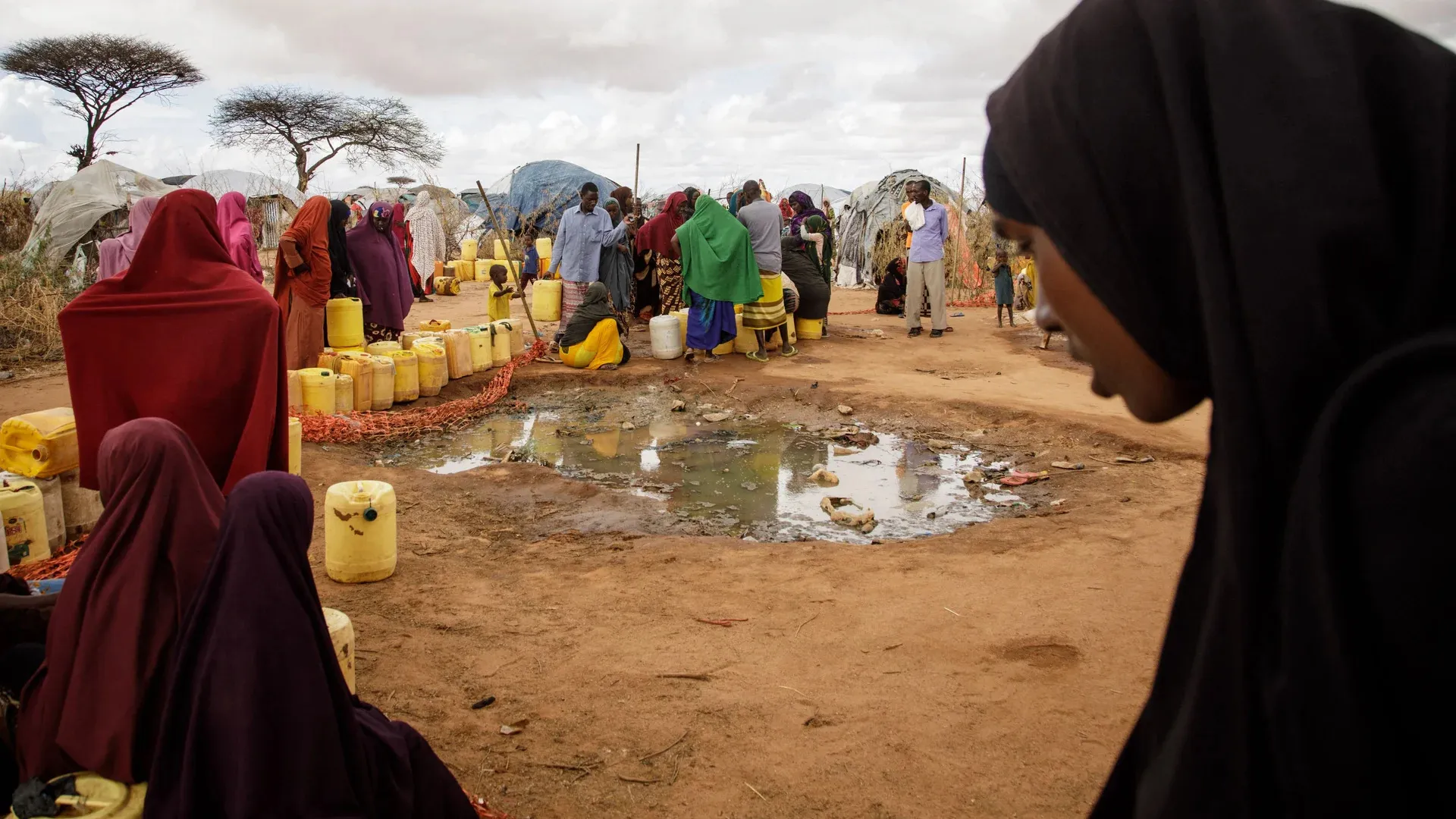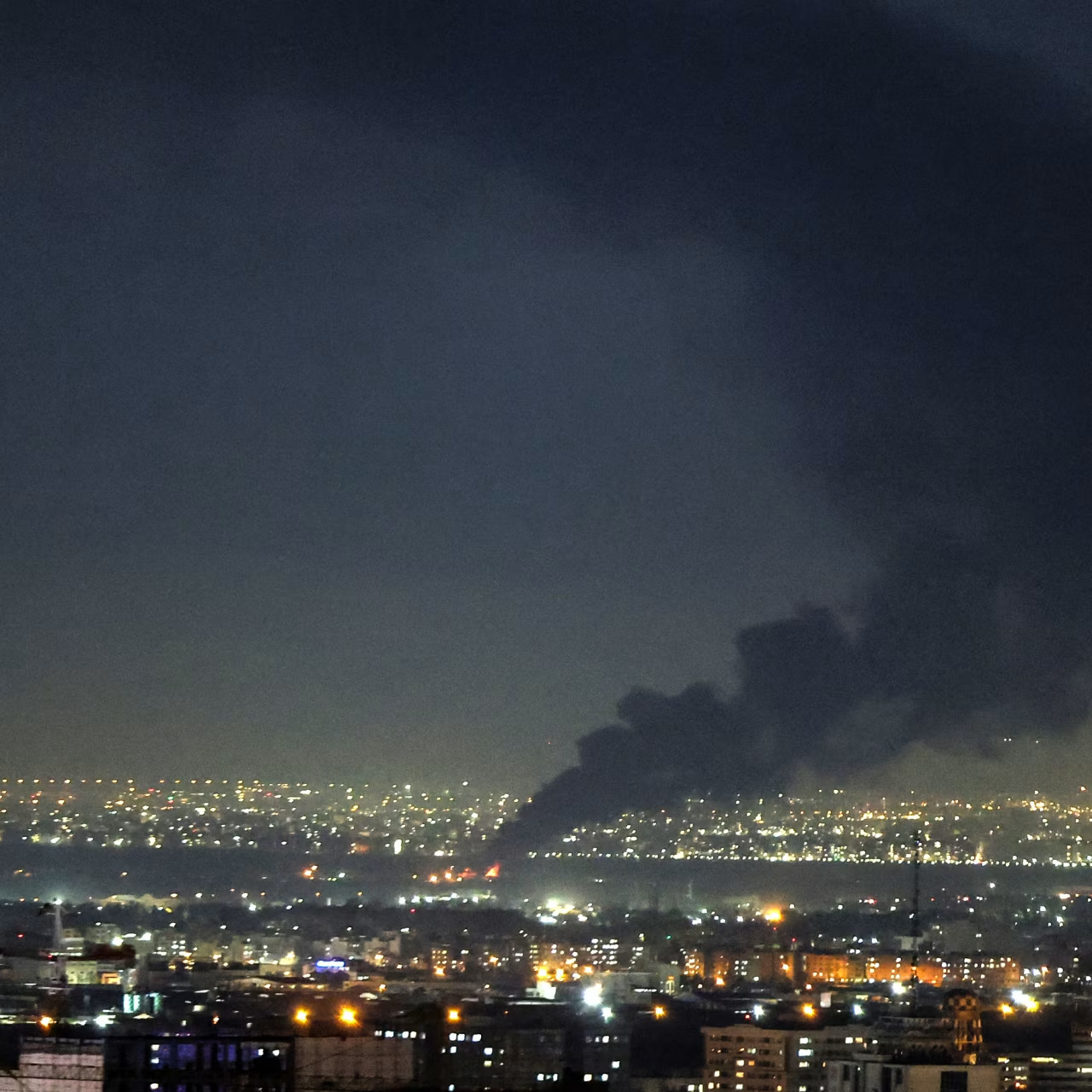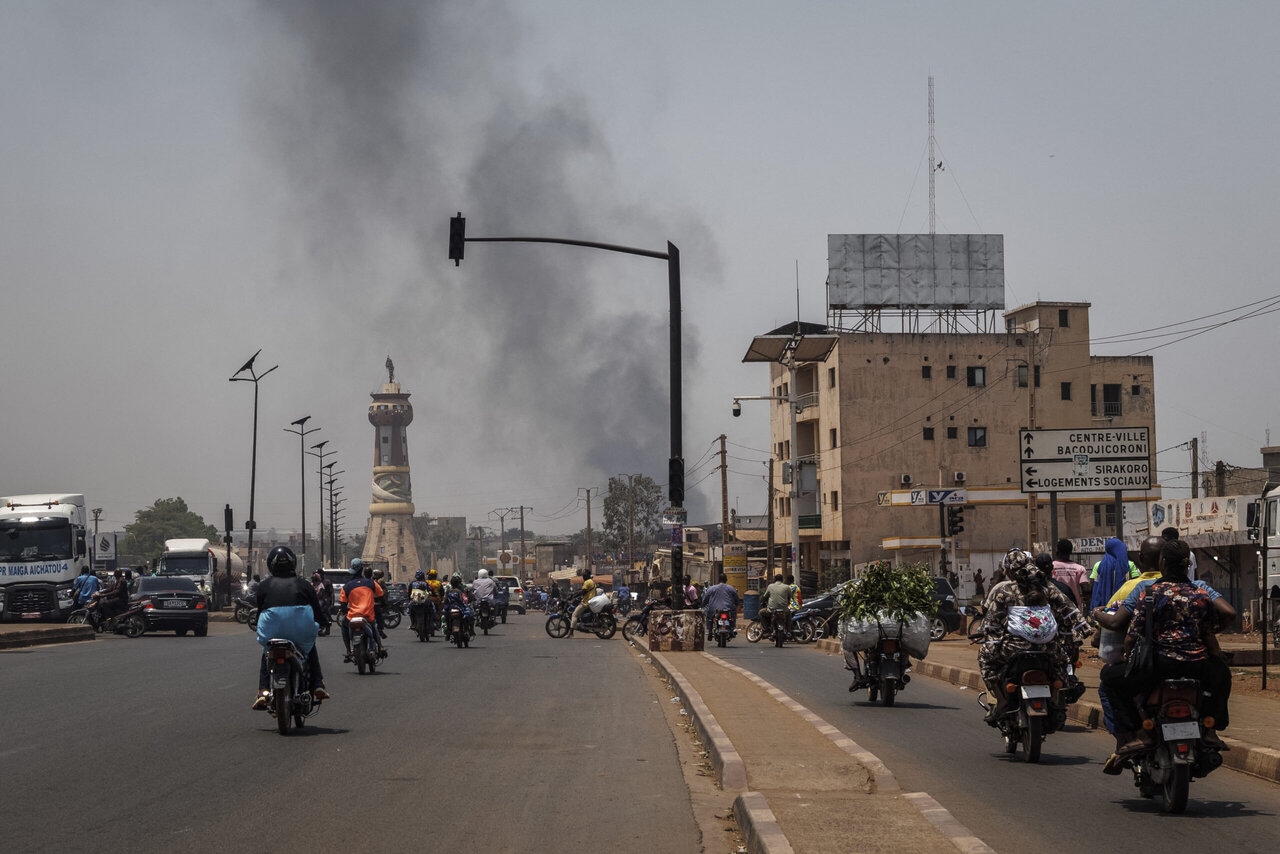
The U.S. State Department has frozen nearly all foreign assistance worldwide, following an executive order signed by President Donald Trump that mandates a 90-day halt on such aid. This sudden decision carries significant implications for the Horn of Africa, a region heavily reliant on U.S. support for humanitarian relief, security efforts, and development programs. With millions already facing food insecurity, ongoing conflicts, and fragile healthcare systems, the aid suspension raises pressing concerns about how countries in the region will cope with the escalating crisis.
For the Horn of Africa, this halt in funding could mean devastating consequences for food security, healthcare systems, and counterterrorism efforts. The United States Agency for International Development (USAID) has long played a critical role in providing lifesaving assistance, supporting infrastructure development, and stabilizing conflict-prone areas. With aid flows now uncertain, governments, humanitarian organizations, and regional actors are left scrambling to fill the gaps.
Background: U.S. Aid in the Horn of Africa
For decades, the United States has been a key donor in the Horn of Africa, funding humanitarian aid, healthcare, and security programs. Africa has consistently received a substantial portion of U.S. foreign assistance, with a focus on addressing regional challenges such as food insecurity and public health crises. U.S. assistance for Africa typically ranged between $7.7 billion and $8.3 billion annually from 2012 to 2022, with significant portions allocated to HIV/AIDS funding and humanitarian aid in countries like Somalia, Kenya, and Ethiopia.
USAID’s Feed the Future program has been instrumental in improving food security and agricultural productivity in countries like Ethiopia and Kenya, benefiting millions of smallholder farmers. Power Africa, aiming to increase electricity access, has also addressed key infrastructure gaps across sub-Saharan Africa.
The Horn of Africa remains the largest beneficiary of U.S. security assistance in sub-Saharan Africa, with Somalia receiving $219.5 million—nearly half of the total $446.5 million allocated for peace and security in FY2022. Other countries in the region, such as Kenya and South Sudan, also receive significantly higher amounts compared to many other African nations. This heavy reliance on U.S. aid underscores the region’s dependence on external funding for counterterrorism, security, and stabilization efforts. Consequently, the sudden freeze in assistance is likely to have severe repercussions, weakening national security forces, disrupting ongoing operations against militant groups, and exacerbating regional instability.
Past Aid Suspensions and Their Impact
The U.S. has a history of suspending aid in response to concerns over human rights abuses, corruption, or terrorism. In Sudan, U.S. aid was suspended in Sudan in the early 1990s due to its support for terrorism and human rights violations. From 1988 to 2001, Sudan received an average of $48 million in humanitarian aid annually, down from over $216 million before 1987. Similarly, after Sudan’s 2021 military coup, the U.S. halted $700 million in development aid and collaborated with the World Bank and IMF to freeze $6 billion, worsening Sudan’s financial crisis.
Likewise, in Somalia, aid cuts occurred after the international exposure of human rights abuses by President Siad Barre in the 1990s. In 2017, the U.S. reduced military aid over concerns of corruption, leaving the Somali military struggling with shortages of food, fuel, and properly equipped troops. Investigations revealed discrepancies in troop numbers, with many soldiers missing from bases or lacking weapons. While there is no direct evidence linking the aid suspension to an increase in Al-Shabaab’s activity, it undeniably weakened the military’s capacity.
Furthermore, in Ethiopia, aid was suspended between 2020 and 2021 due to human rights abuses in Tigray and issues over the Grand Ethiopian Renaissance Dam (GERD). Egypt, reliant on the Nile for 90% of its freshwater, saw Ethiopia’s unilateral filling of the dam as a threat to its water supply, while Sudan feared disruptions to its dams and irrigation. Both demanded a binding agreement on water releases. In response, the U.S. halted around $130 million in aid, viewing Ethiopia’s actions as a risk to regional stability. This aid cut disrupted crucial programs in health and food security, deepening Ethiopia’s humanitarian crisis.
Future Scenarios & Recommendations
As the suspension continues, USAID’s halt in the Horn of Africa will worsen food insecurity, disrupt HIV assistance, and hinder humanitarian efforts in the region, where millions urgently need aid.The freeze threatens life-saving interventions and could deepen instability, increasing regional insecurity.
If USAID is reinstated with reduced funding or permanently shut down, countries in the Horn will face a critical challenge in addressing growing needs. In both scenarios, regional partnerships will become essential for managing crises, sharing resources, and developing local solutions. African governments will need to invest in regional cooperation, self-reliance, and new support avenues to reduce aid dependence.
However, if USAID’s influence wanes or is lost entirely, the United States may lose its strategic power in the region, while countries like China, Gulf States, and Turkey may step in to fill the vacuum. China’s investments through its Belt and Road Initiative, the Gulf countries’ deepening ties through infrastructure and security aid, and Turkey’s growing engagement in development and military cooperation could lead to a realignment of political and economic alliances in the Horn of Africa. This shift may not only impact regional stability and cooperation but could also influence global geopolitical dynamics, as these powers gain greater influence in the region’s future.
Natalia Tsamalashvili is a Research Intern at the HORN.