MEDIA

HORN Media

Objective and independent insights and analysis featured across national and international media

News & Features

Video Gallery

Recordings

Blogs

Research commentary

Events & fieldwork

Podcasts

Analyst conversations

Print

Bulletin print

FEATURED

HORN Services

Evidence-based advisory services to support informed decision-making

LATEST BULLETIN

Publications

Research That Informs Policy and Practice

GREAT LAKES REGION

GREATER HORN OF AFRICA

REGIONAL FOCUS

Somalia & Somaliland
Monitor

Evidence-driven analysis shaping policy and security across 13 countries

Featured

Programs

Nine Strategic Programs Designed to Analyse, Influence and Shape the Future of the Horn of Africa

Featured

Programs

Nine Strategic Programs Designed to Analyse, Influence and Shape the Future of the Horn of Africa

2026 EVENTS

BY TYPE

REGISTER

Security Dialogue 2026

12 March 2026, Nairobi, Kenya

RECENT

ARCHIVE

ARCHIVE

Join the Conversation

Engage with our events, dialogues, and discussions

Founded in 2017 · Nairobi

About HORN

A leading think tank driving research, policy, and regional dialogue

Support Research

Help Sustain HORN's Mission

Partner or donate to keep HORN independent

Menu

Mapping Dynamics and Perceptions of Violent Extremism

Photo Credits: MDPVE-Survey-Report
Content by HORN Institute
Published March 13, 2026

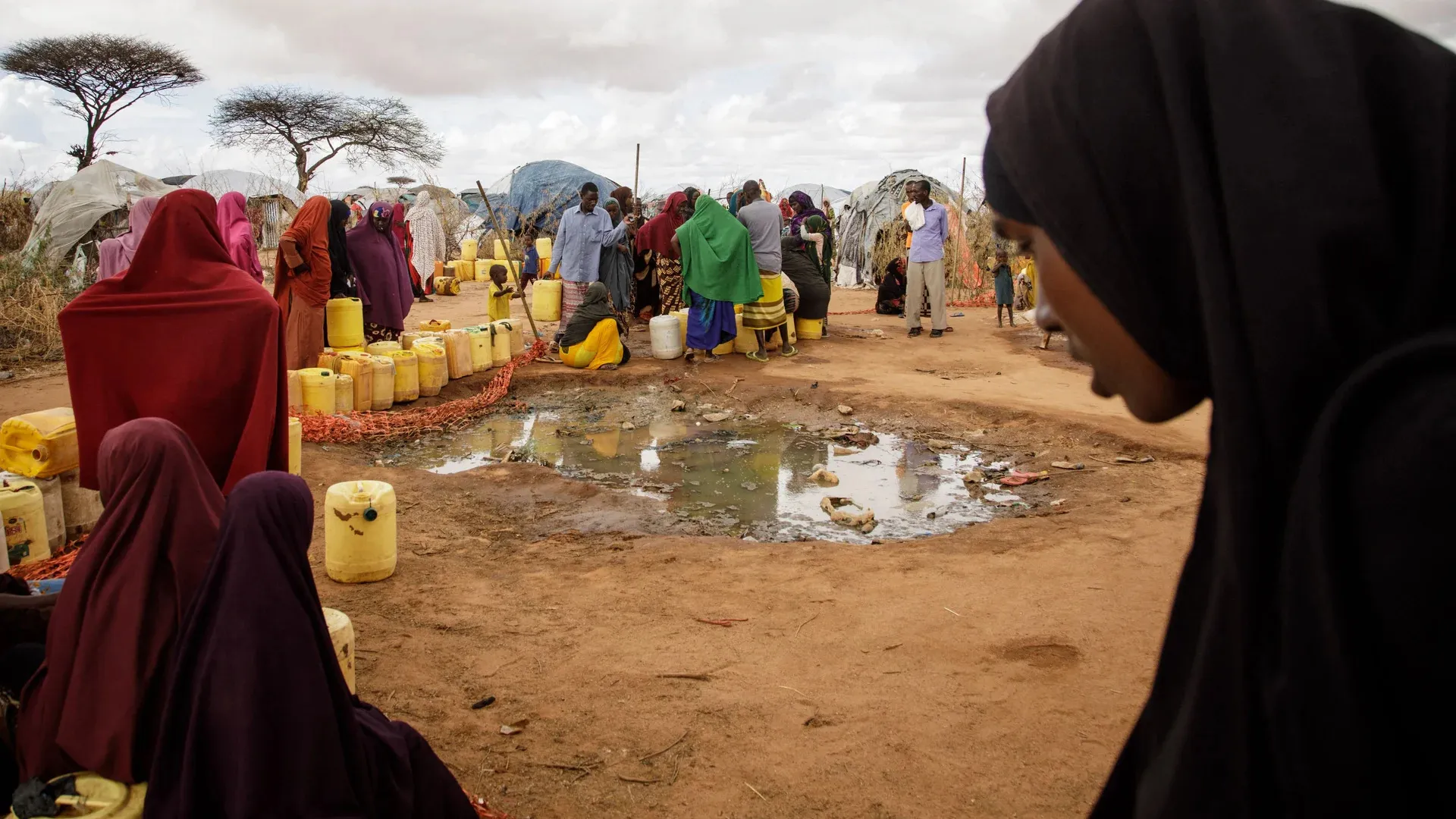
To date, research on Violent Extremism (VE) has devoted less attention on the place and role of women in recruitment and radicalization. As a result, strategies and programs aimed at preventing and Countering Violent Extremism (CVE) have largely been skewed towards male recruits and the masculine settings. It is against this background that this survey was planned. The aim is to complement efforts by the Kenyan government and other relevant actors in promoting an all-inclusive understanding and better responses to VE. The survey focused on Muslim women and girls in the VE hot-spot areas of Mombasa, Kilifi, Lamu and Kwale at the coast; Mandera, Wajir and Garissa in north eastern; and Isiolo in eastern Kenya.

The methodology used entailed a review of secondary documents published in various forms (media articles, books and reports, among others) and primary data collection techniques including; Focus Group Discussions (FGDs) and Key Informant Interviews (KIIs). The assessment team used a structured interview guide to conduct interviews, but it was flexible enough to adapt questions to the context of the interviewee and/or when it was necessary to pursue more information. Data analysis was largely qualitative in nature. It involved thinking through the data collected with the aim of looking for meanings and discoveries about attitudes of Muslim women and girls towards extremist groups and VE in
the regions surveyed

The HORN International Institute for Strategic Studies is a non-profit, applied research and policy think-do tank focusing on research and providing evidence-based analysis and strategic interventions to address political, security, economic, and environmental challenges affecting the greater Horn of Africa region.

© 2026 by The HORN International Institute for Strategic Studies. All rights reserved.

HORN Institute
Independent policy think do tank dedicated to advancing informed analysis and practical policy solutions on peace, security, governance and development across the Horn of Africa and the Great Lakes region.

Recent Publications