MEDIA

HORN Media

Objective and independent insights and analysis featured across national and international media

News & Features

Video Gallery

Recordings

Blogs

Research commentary

Events & fieldwork

Podcasts

Analyst conversations

Print

Bulletin print

FEATURED

HORN Services

Evidence-based advisory services to support informed decision-making

LATEST BULLETIN

Publications

Research That Informs Policy and Practice

GREAT LAKES REGION

GREATER HORN OF AFRICA

REGIONAL FOCUS

Somalia & Somaliland
Monitor

Evidence-driven analysis shaping policy and security across 13 countries

Featured

Programs

Nine Strategic Programs Designed to Analyse, Influence and Shape the Future of the Horn of Africa

Featured

Programs

Nine Strategic Programs Designed to Analyse, Influence and Shape the Future of the Horn of Africa

2026 EVENTS

BY TYPE

REGISTER

Security Dialogue 2026

12 March 2026, Nairobi, Kenya

RECENT

ARCHIVE

ARCHIVE

Join the Conversation

Engage with our events, dialogues, and discussions

Founded in 2017 · Nairobi

About HORN

A leading think tank driving research, policy, and regional dialogue

Support Research

Help Sustain HORN's Mission

Partner or donate to keep HORN independent

Menu

The Horn Bulletin Volume VII Issue IV July-August 2024 – Austerity, Corruption, and Discontent

Photo Credits: HORN Bulletin Cover
Content by The HORN Team
Published August 31, 2024

Abstract

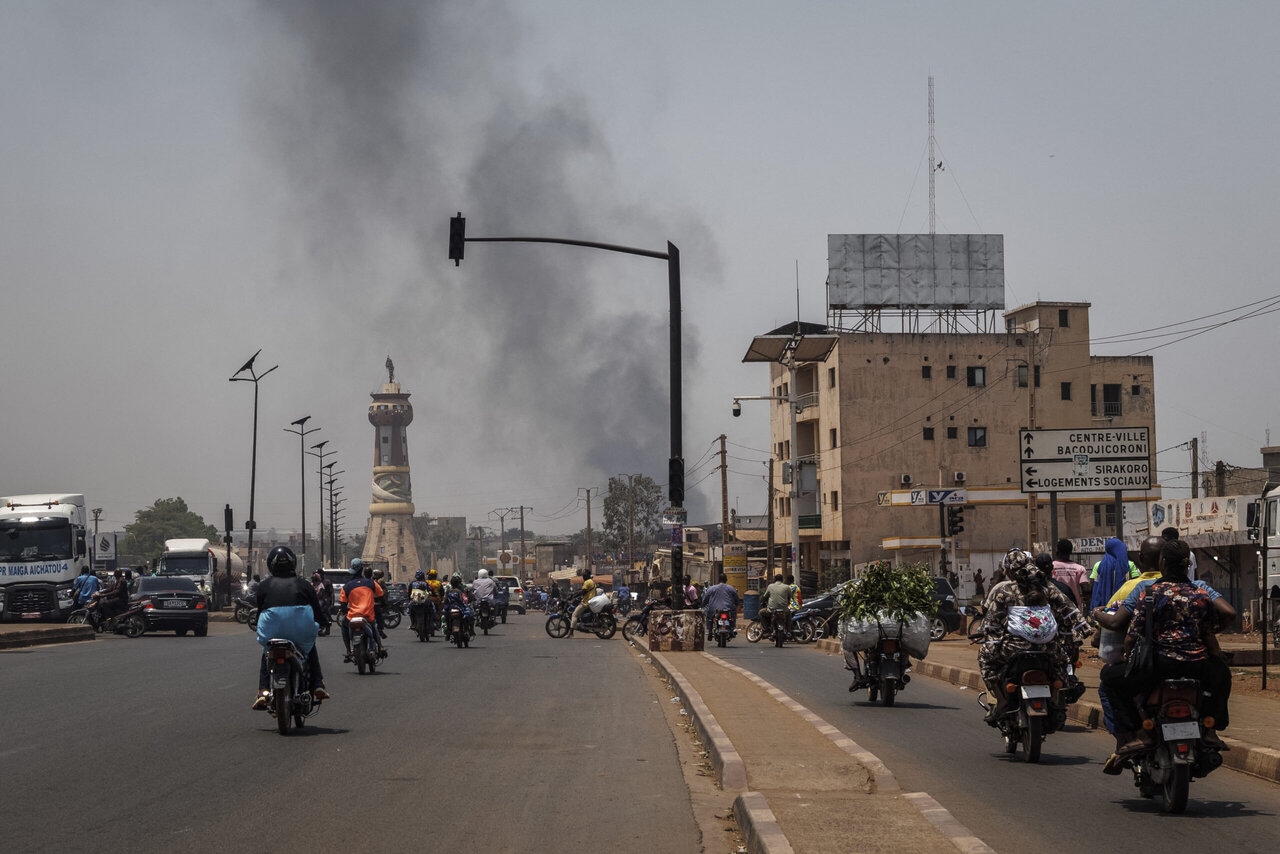
A comparative study of the protests and demonstrations in Kenya (2024) and Sudan (2019) reveals similarities driven by comparable economic grievances.
An intersectional analysis highlights the impact of colonialism, structural racism, and various forms of oppression on the unequal distribution of resources and power. Critical race theory and postcolonial theory explain how historical and structural factors have contributed to this inequality (Delgado & Stefancic, 2017, p. 20; Ashcroft et al., 2006, p. 139). Intersectionality theory helps understand how economic status, ethnicity, and gender affect marginalized communities (Crenshaw, 1989, p. 149). Scholars like Frantz Fanon, Edward Said, and Gayatri Spivak emphasize the need to challenge dominant narratives and give voice to marginalized groups (Fanon, 1963, p. 21; Said, 1978, p. 78; Spivak, 1988, p. 21). Global evidence suggests that public spending has a positive link with GDP growth and that public and private sector companies are equally efficient (Hall & Nguyen, 2018, p.101). To address economic discontent, both countries must tackle austerity and corruption by restructuring tax systems, investing in public services, strengthening anti-corruption-measures, and engaging with communities, especially civil society. A holistic approach that prioritizes underprivileged communities can lead to a more equitable and sustainable future for all citizens.

The HORN International Institute for Strategic Studies is a non-profit, applied research and policy think-do tank focusing on research and providing evidence-based analysis and strategic interventions to address political, security, economic, and environmental challenges affecting the greater Horn of Africa region.

© 2026 by The HORN International Institute for Strategic Studies. All rights reserved.

Recent Publications